If your Burlington home is going to stand out, it needs to make a strong impression before a buyer ever opens the front door. In a market where homes in the 08016 area sell in about 42 days on average and draw around 3 offers on average, presentation still matters. The right staging can help buyers picture the home, feel more confident, and respond faster. Let’s dive in.
Why staging matters in Burlington
Staging is not about a full remodel. It is about presenting your home so buyers can clearly see its strengths and imagine living there.
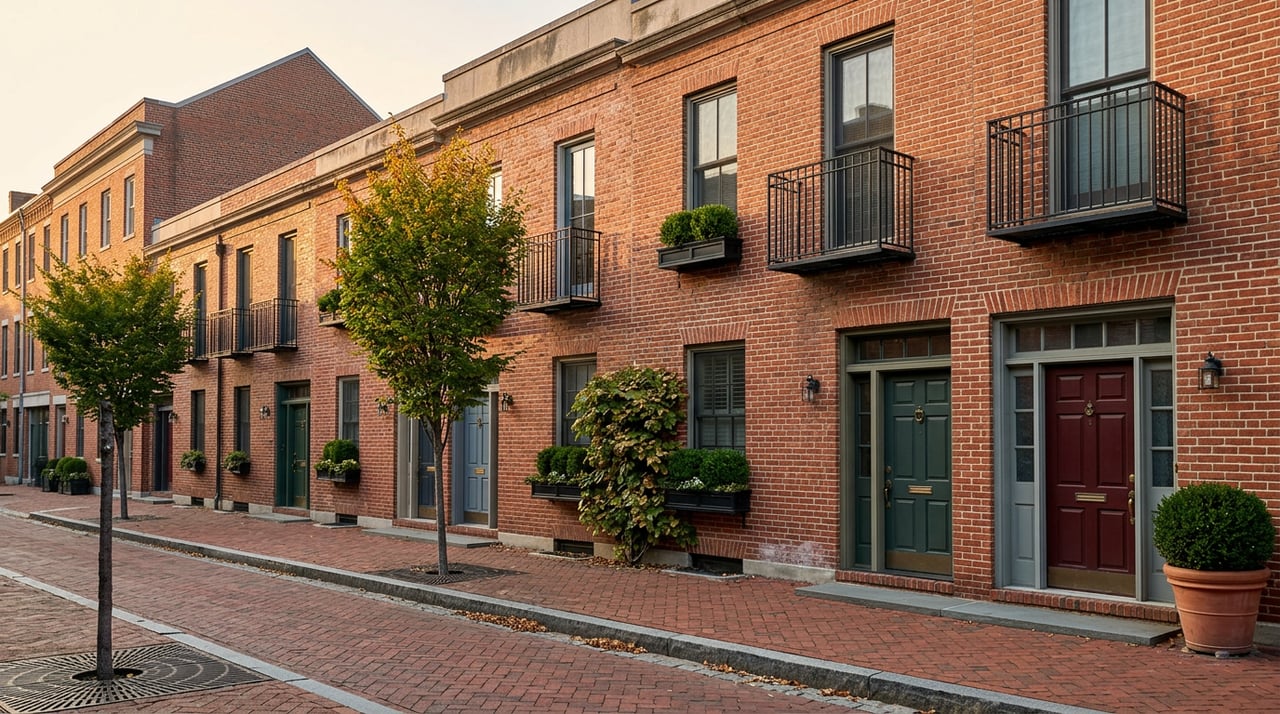
That matters in Burlington because many homes already come with built-in character. Burlington City’s historic story includes homes and buildings from the 18th and 19th centuries, with architectural styles like Georgian, Federal, Italianate, Second Empire, and Beaux Arts. If your home has original features, staging should help those details shine.
National staging research also shows why sellers pay attention to this step. In 2025 research, 83% of buyers’ agents said staging made it easier for buyers to visualize a property, 29% said it increased the dollar value offered by 1% to 10%, and 49% of sellers’ agents said it reduced time on market.
Focus on first impressions
Your first wins usually come from the spaces buyers see first, both online and in person. That means the exterior, entry, living room, primary bedroom, and kitchen deserve the most attention.
If your budget is limited, do not worry. More than half of sellers’ agents recommend simple improvements instead of full staging, and targeted updates can still make a meaningful difference.
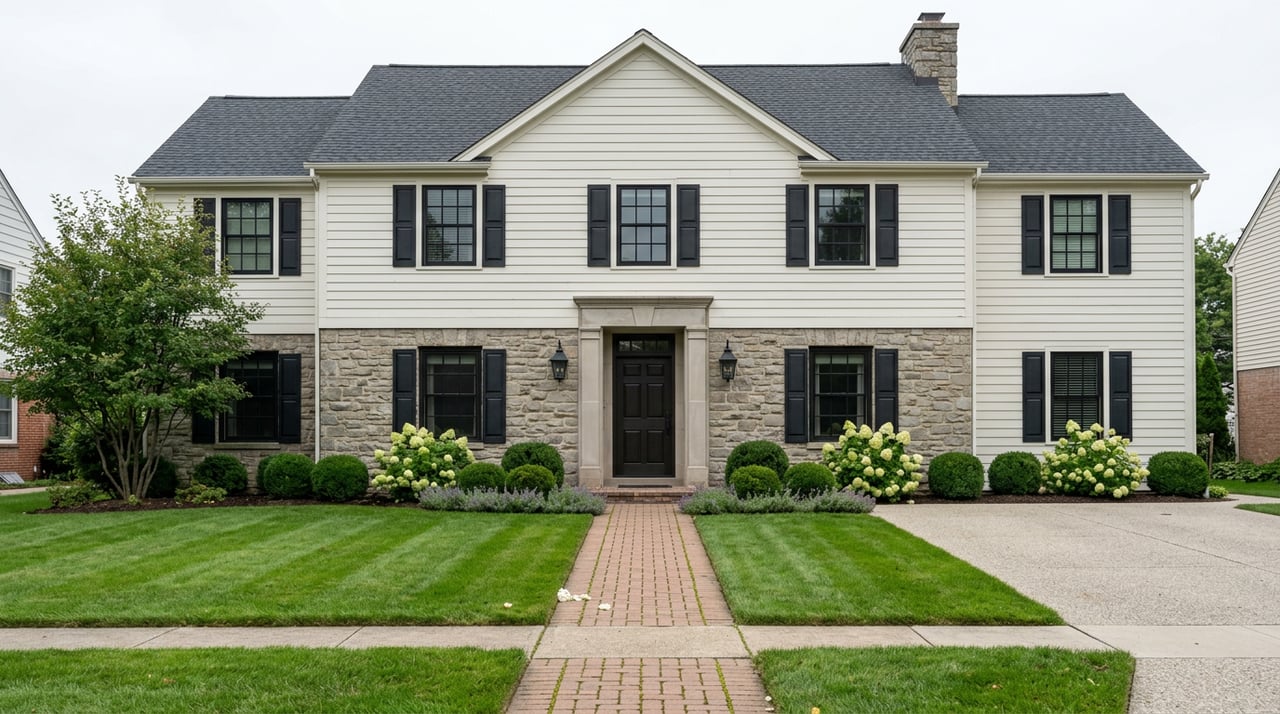
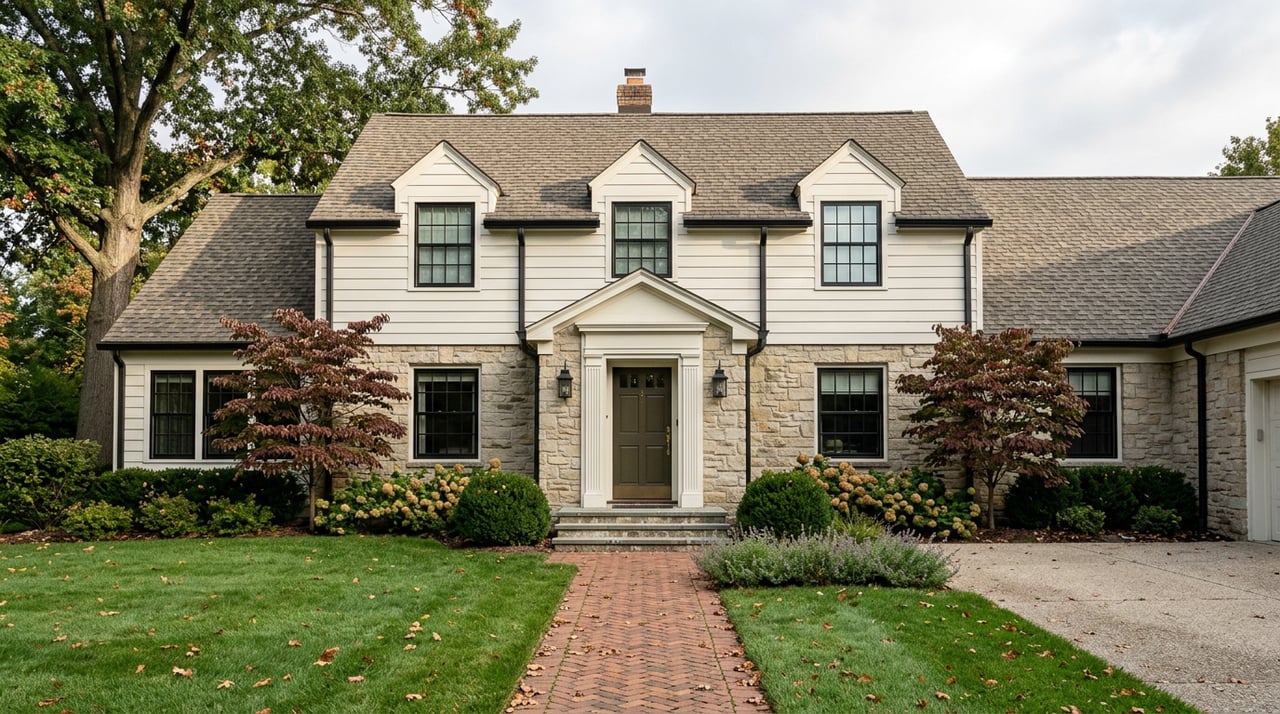
Start with curb appeal
Before buyers notice your layout, they notice whether the home feels cared for. A simple, clean front approach can immediately set the tone.
Focus on practical updates like these:
- Tidy hardscapes and walkways
- Trimmed landscaping
- A clean entry mat
- Small, restrained planters
- A swept porch or front steps
This is especially useful in Burlington, where porches and smaller front yards often play a big role in how an older home feels from the street. A neat exterior helps buyers feel welcomed before the showing even starts.
Check historic rules before exterior changes
If your home is in Burlington’s Historic District or another designated site, pause before making exterior updates. The city says some exterior work may require approval and a Certificate of Appropriateness.
That can include changes involving doors, windows, shutters, fencing, porches, siding, trim, painting, roofing, and solar features. If you are planning curb appeal improvements, make sure those plans fit the city’s review requirements before work begins.
Highlight Burlington’s historic character
One of the biggest staging mistakes in Burlington is covering up the very details that make a home memorable. If your home has original floors, moldings, staircases, fireplaces, brick, built-ins, or tall windows, those features should stay visible.
Use staging to support the architecture, not compete with it. Oversized furniture, busy decor, or strong trend-driven colors can distract from period details that already add value and charm.
Keep the style clean and neutral
A clean, neutral backdrop helps buyers focus on the home itself. That does not mean every room has to feel empty or cold.
It means choosing simple styling that lets the architecture lead. Think fresh bedding, soft towels, edited accessories, and light touches of color through pillows or a centerpiece instead of bold room-wide statements.
Stage the rooms that matter most
Not every room needs the same effort. According to 2025 staging research, the living room is the most important room to stage, followed by the primary bedroom and kitchen.
That is good news if you want to stage strategically. Put your time and money where buyers are most likely to notice it.
Living room
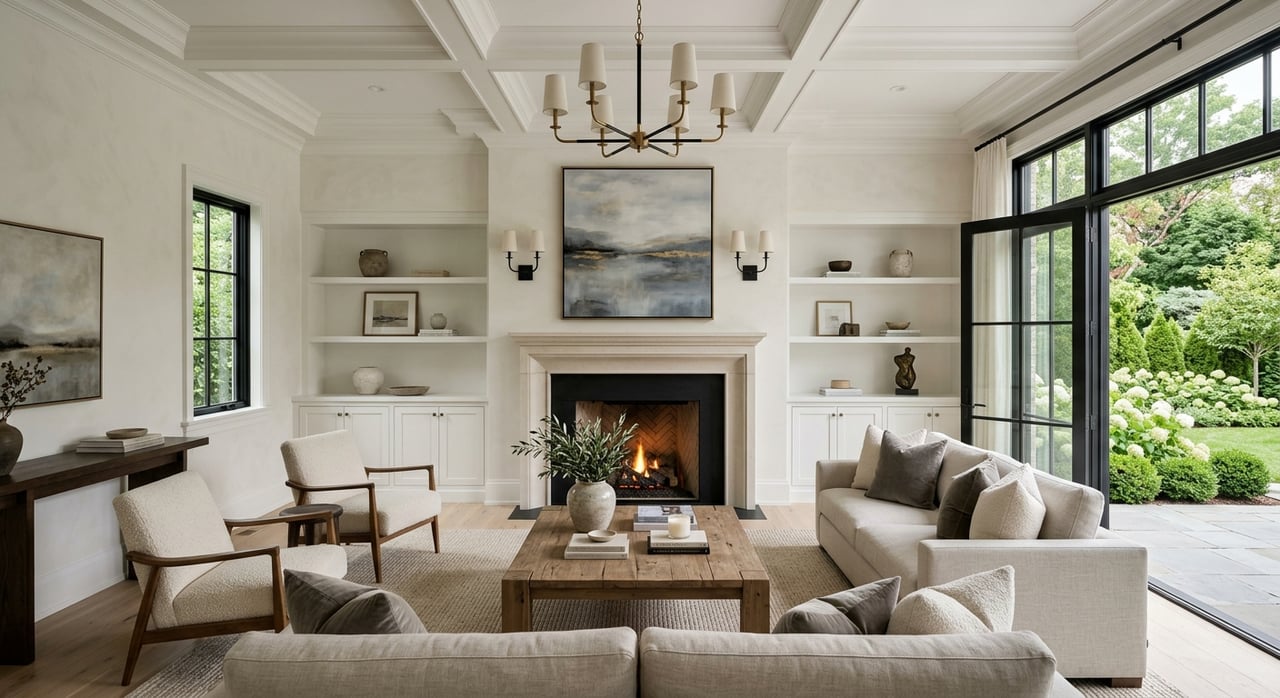
Your living room should feel open, bright, and easy to understand. Remove bulky furniture so the room feels larger and circulation feels natural.
Keep surfaces edited and seating balanced. If the room has a fireplace, built-ins, tall windows, or original trim, arrange the furniture to draw attention to those features rather than block them.
Primary bedroom
The primary bedroom should feel restful and simple. Fresh bedding, fewer personal items, and a calmer color palette go a long way.
If the room is crowded, remove extra furniture. Buyers respond better when they can clearly see floor space, wall space, and natural light.
Kitchen
Kitchens do not need to be expensive to show well. They need to look clean, functional, and well lit.
Prioritize these quick improvements:
- Clear the counters
- Deep clean surfaces and appliances
- Remove clutter from the refrigerator
- Make sure the dining area is obvious
- Keep floors bare and clean
- Improve lighting where possible
Secondary spaces
Guest bedrooms and children’s rooms usually do not need heavy styling. In most cases, simplifying them is enough.
Aim for clean bedding, less furniture, and open storage. Closets should be about half full rather than packed, which helps them look more spacious.
Declutter before you decorate
The most effective staging step is often the least glamorous one. Decluttering creates visual space and helps buyers pay attention to the home instead of your belongings.
Start by packing away personal items, excess decor, and anything that makes a room feel smaller or busier. If you only do one thing before listing, make it this.
Use this prep checklist
Before photos or showings, work through this list:
- Remove personal photos and highly specific decor
- Clear countertops, vanities, and tabletops
- Store bulky or extra furniture
- Touch up paint where needed in neutral colors
- Clean carpets and flooring
- Deep clean kitchens and bathrooms
- Organize closets to about half full
- Remove pets during showings when possible
These are some of the most common staging and prep recommendations for sellers, and they can have a big impact without requiring a full redesign.
Photos matter as much as the showing
Many buyers will form their first opinion online. That means staging is not just about the open house. It is also about how your home photographs.
Buyers’ agents report that photos, traditional staging, video tours, and virtual tours are highly important listing assets. A home that is clean, bright, and thoughtfully arranged usually performs better in photos and creates more interest before buyers book a showing.
Full staging, consultation, or virtual staging?
You do not have to choose the most expensive option to get results. Staging can take a few different forms depending on your home, timeline, and budget.
| Option | Best for | What to know |
|---|---|---|
| Full in-person staging | Vacant homes or higher-impact listings | Most comprehensive presentation |
| Staging consultation | Occupied homes or budget-conscious sellers | Gives you a plan using what you already have |
| Virtual staging | Vacant or lightly furnished homes | Helps listing photos show scale and function |
For many sellers, a consultation and focused improvements are enough. If the home is vacant, virtual staging can help buyers understand room size and purpose without fully furnishing every space.
If virtual staging is used, any photo enhancements that materially alter the property should be disclosed. That keeps marketing clear and accurate.
What staging may cost
Professional staging does not always mean a large upfront spend. NAR cites a median professional staging service cost of about $1,500.
That number gives you a useful planning point, but the bigger takeaway is this: even lower-cost improvements can help strengthen your presentation. In Burlington, the best return often comes from improving the entry, living room, primary bedroom, kitchen, and listing photos first.
A smart Burlington staging strategy
If you want a simple plan, keep it in this order:
- Clean and declutter the whole home
- Improve curb appeal and the front entry
- Edit and stage the living room
- Refresh the primary bedroom
- Deep clean and simplify the kitchen
- Prepare the home for professional photos
- Check city requirements before exterior changes on historic properties
This approach helps you focus on what buyers are most likely to notice first. It also helps you protect the details that make a Burlington home unique.
When your home is presented with care, buyers have an easier time seeing both the lifestyle and the value. If you are getting ready to sell in Burlington, a thoughtful staging plan can help your home look sharper online, show better in person, and support a stronger result. When you want a white-glove strategy that matches your home, connect with Amber Cruse.
FAQs
What does home staging mean for a Burlington seller?
- Home staging means preparing your Burlington home so buyers can see its strengths and imagine living there, usually through decluttering, cleaning, styling, and better presentation rather than remodeling.
Which rooms should you stage first in a Burlington home?
- The top rooms to prioritize are the living room, primary bedroom, and kitchen, with the front entry and curb appeal also getting strong attention.
Should you stage a historic home in Burlington differently?
- Yes. If your Burlington home has original floors, moldings, fireplaces, built-ins, staircases, brick, or tall windows, staging should highlight those features rather than cover them up.
Do Burlington sellers need city approval for exterior updates?
- If your home is in Burlington’s Historic District or another designated site, some exterior changes may require city review and a Certificate of Appropriateness.
Is full staging the only option for a Burlington listing?
- No. Sellers may choose full in-person staging, a staging consultation, or virtual staging depending on the home’s condition, occupancy, and budget.
How much does professional staging usually cost?
- NAR cites a median professional staging service cost of about $1,500, though many sellers also make meaningful progress through lower-cost improvements like decluttering, cleaning, and photo prep.