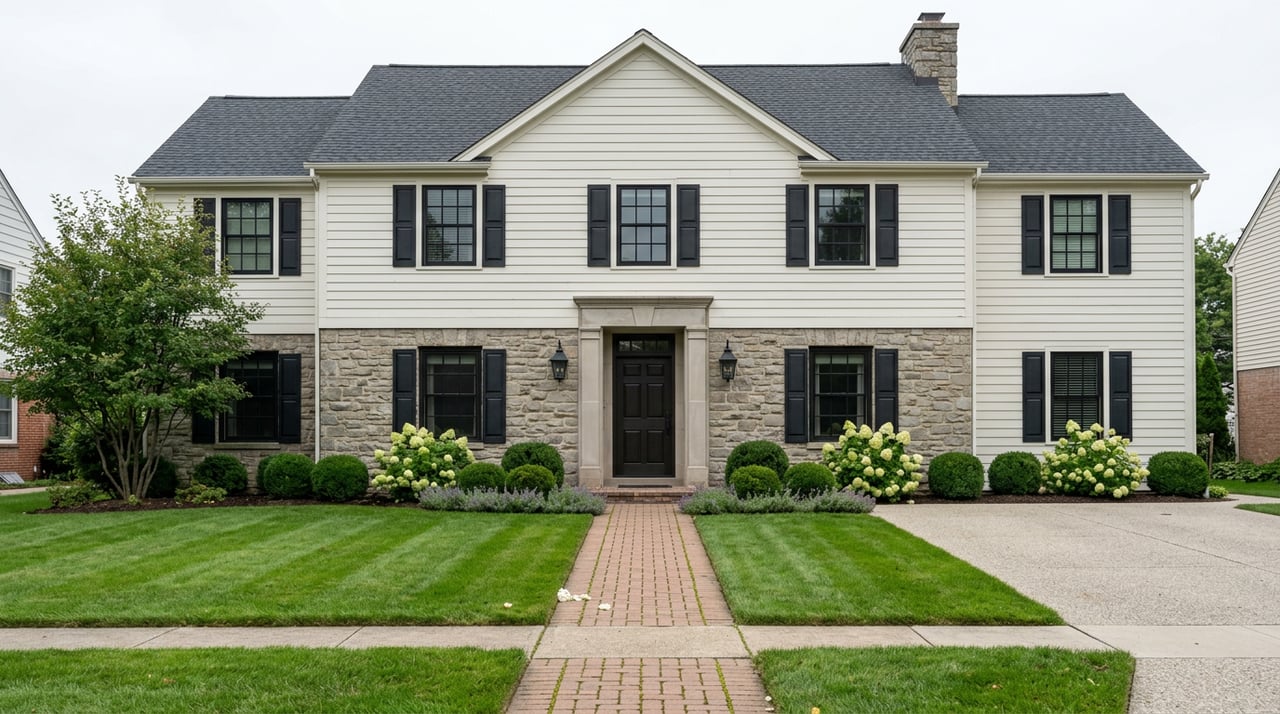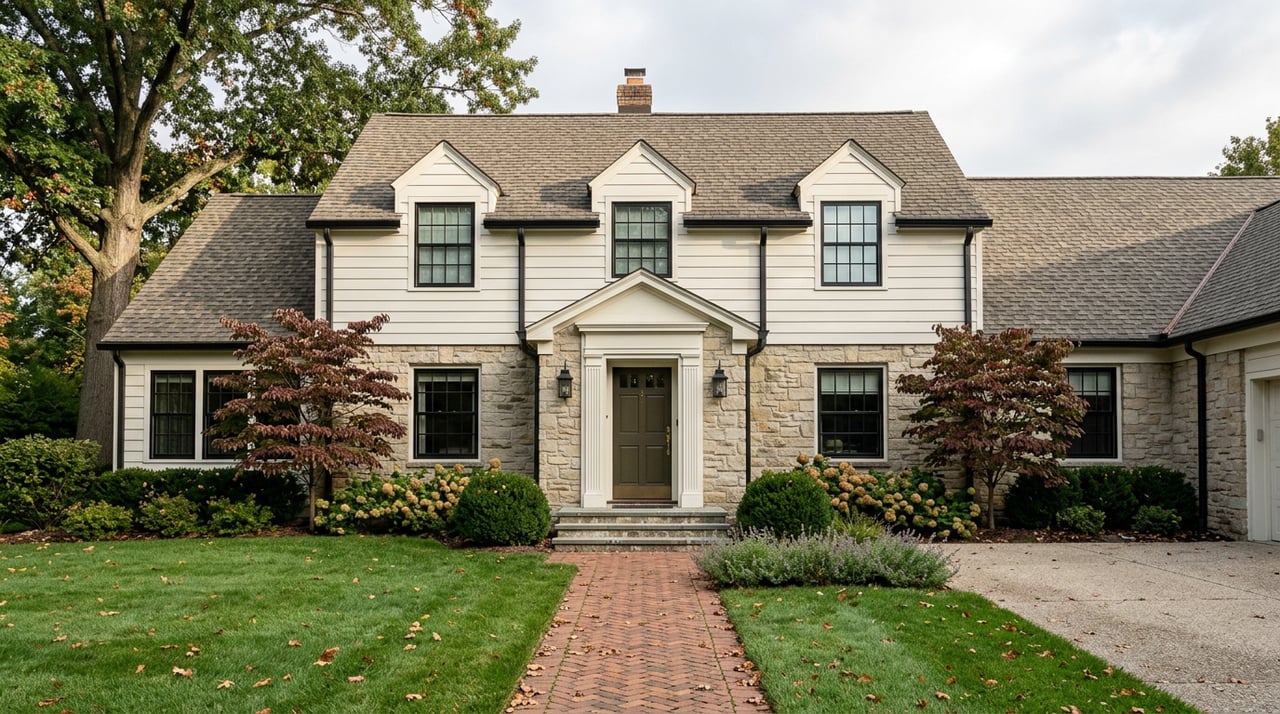
A colonial on Normandy Parkway goes under contract in July. The buyer's attorney sends over a standard rider during attorney review, and buried in the list of requested documents is a line the seller has never seen before: proof of sanitary sewer connection, or documentation of an approved hardship exemption. The house has run on a septic system since it was built. It has never failed an inspection. The seller assumed, reasonably, that a system this old and this reliable was simply grandfathered in for good.
It isn't. Not automatically.
Morris Township has an ordinance that most sellers never look up until a closing is already in motion, and it can turn what looked like a routine sale into a weeks-long detour through the township engineering office.
The Assumption That Gets Sellers In Trouble
The mental model most owners carry is that a septic system is a private matter between them and their yard. If it works, it works, and nobody outside the property line gets a vote. That model holds in a lot of New Jersey towns. It does not hold in Morris Township.
Under Township Code Chapter 410, toilet facilities and sewage connections are required, and a sewer is considered available if it is active and located within 100 feet of the property or a usable right-of-way. If that condition is met, the ordinance requires the owner to connect, and it specifically calls out the moment before a sale, rental, or transfer of title as a trigger point. Hardship exemptions exist, but the township treats them as case-by-case, not automatic, and they have to be requested and documented, not assumed.
For a seller who has lived comfortably with a working septic system for twenty or thirty years, this is the first time the township's plumbing map becomes their problem.
What Chapter 410 Actually Asks For
The rule itself is narrow but specific. A property qualifies for the connection requirement when an active sewer line sits within 100 feet of the lot or an accessible right-of-way. There is no grandfathering built into the basic requirement. The exemption path exists for situations where connection would create genuine hardship, and the township's own sewer connections page frames those exemptions as reviewed individually rather than granted by default.
That distinction matters at the closing table. A buyer's attorney pulling the ordinance during attorney review will see a mandatory connection rule with a discretionary exception, not an automatic pass for older systems. If the seller cannot produce either a connection record or an approved exemption, the file stalls while someone requests one or the other from the township.
The One Carve-Out That Actually Helps Older Sellers
There is a real accommodation in the code, and it is worth knowing before you assume the worst. Homes that had a private sewage disposal system in use on October 1, 1992 get a payment option the ordinance does not extend to newer construction. Instead of paying the full connection fee at the time the building sewer permit is issued, the owner can spread it across five equal annual installments, each equal to 20 percent of the total, with the first payment due when the permit is issued and the rest following each June 1.
The base connection fee itself runs $6,000 for properties served by Morris Township's own treatment plants, with a different schedule for parcels routed through Morristown, Florham Park, Hanover Township, Harding Township, Morris Plains, Randolph, Madison, or Parsippany-Troy Hills treatment facilities depending on which system actually serves the address.
Here is how that plays out for two sellers with otherwise identical houses:
| Scenario | Connection fee due | Payment structure |
|---|---|---|
| Septic system predates October 1, 1992 | $6,000 (Morris Township-serviced parcels) | Option to split into 5 annual installments of 20% each, plus accrued interest |
| Septic system installed after October 1, 1992 | $6,000 (Morris Township-serviced parcels) | Due in full at permit issuance, no installment option |
If your system is genuinely old, that age is an asset in the negotiation, not just a liability. It is the difference between a seller writing one check before closing and a seller (or a buyer, depending on how the credit gets negotiated) spreading the cost over five years.
Why This Rule Was Built For Morris Township, Not Around It
Most guides to septic and well due diligence in Morris County frame the issue as a rural, western-county concern. That framing is accurate for towns like Chester, Mendham, Jefferson Township, Mount Olive, Rockaway Township, and Kinnelon, along with the lake communities around Lake Hopatcong and Budd Lake, where shallow bedrock and small lake lots have kept private systems the norm for decades.
Morris Township sits in a different part of the map. The township runs its own sanitary sewer utility, maintaining roughly 102 miles of sewer line, eight pump stations, and two treatment plants that serve about 7,300 residential units and 50 commercial accounts across Morris Township and parts of Morris Plains, Randolph, Harding Township, and Morristown. That puts Morris Township squarely in the sewered eastern and central corridor of the county, alongside Morristown, Madison, Florham Park, and Hanover, rather than in septic country.
The practical result is that a private well or septic system still active inside Morris Township is more likely to be a legacy holdout inside an already-mapped sewer service area than a genuinely rural feature. That is exactly the scenario Chapter 410 was written to close, and it is exactly why sellers in older sections like Convent Station, Cromwell Hills, Butterworth Farms, and Liberty Greens are more likely to hit this rule than sellers in a town where septic is still the default.
The Two Other Things Your Attorney Will Ask About
Even when a property is not required to connect, a septic or well system in Morris Township tends to bring two companion questions into attorney review.
The first is well water. New Jersey's Private Well Testing Act requires that a private well be tested by a certified laboratory before closing, with both buyer and seller certifying in writing that testing occurred and that results were shared. Morris Township's own guidance puts the cost of that testing at roughly $450 to $650 through a state-certified lab, and the results need to be in hand and shared before the deal can close, not requested at the last minute.
The second is the septic system itself, particularly if the sale is the moment a property finally connects to municipal sewer. When that happens, the Morris Township Health Department requires proper abandonment of the old system, which means an inspection before it can be taken out of service. Skipping that step does not make the old tank disappear from the title record.
Older homes in the township's colonial and split-level stock also tend to carry a third, related question: heating oil. A meaningful share of Morris County's older housing was built with oil heat, and any oil tank on the property, whether it is active, disconnected, or was removed years ago, is the kind of detail a buyer's attorney will ask a seller to document rather than assume.
A Pre-Listing Checklist Worth Running Before You Sign With An Agent
- Call the township engineering office and ask directly whether an active sewer line sits within 100 feet of your lot line or right-of-way. Get the answer in writing if you can.
- If a connection is required and you believe hardship applies, start that exemption request now. It is reviewed case by case, and case-by-case reviews take time.
- If your septic system predates October 1, 1992, ask specifically about the five-year installment option before assuming the full $6,000 fee is due at once.
- If you are on a private well, schedule the certified PWTA test early. Results need to be shared with the buyer before closing, and lab scheduling is not always fast.
- If you are switching to sewer, contact the Health Department about the required abandonment inspection for the old septic system before you list, not after an offer is in hand.
- Pull together any documentation you have on heating oil, whether the tank is still in the ground, was removed, or was never there at all.
None of these steps are complicated on their own. What sinks a closing timeline is finding out about all of them in the same week, after attorney review has already started the clock.
FAQ
Does every septic system in Morris Township have to convert to sewer before I can sell? Only if an active sewer line is within 100 feet of your property or a usable right-of-way. If it is not, the connection requirement does not apply. If it is, you either connect or request a hardship exemption, which the township reviews individually rather than granting automatically.
What happens if my well water test comes back with a problem? The Private Well Testing Act still requires that the results be shared with the buyer. Depending on what the test shows, that can turn into a repair, a treatment system, or a negotiated credit, but it does not remove the requirement to disclose and share the results before closing.
Is the $6,000 connection fee something a buyer and seller can split? The ordinance sets the fee itself, not who pays it. Whether the seller pays it outright, credits it to the buyer, or uses the five-year installment option for a pre-1992 system is a matter for negotiation between the parties and their attorneys, not something the township dictates.
If you own an older home in Morris Township and you are not sure whether your septic system, well, or oil tank history is going to raise a question during attorney review, that is exactly the kind of detail worth checking before you list rather than after an offer arrives. Amber Cruse Realty Group works these details into the prep process from the first conversation, so a closing date holds instead of slipping. Request Your White-Glove Consultation to walk through your property's specific history before it goes on the market.