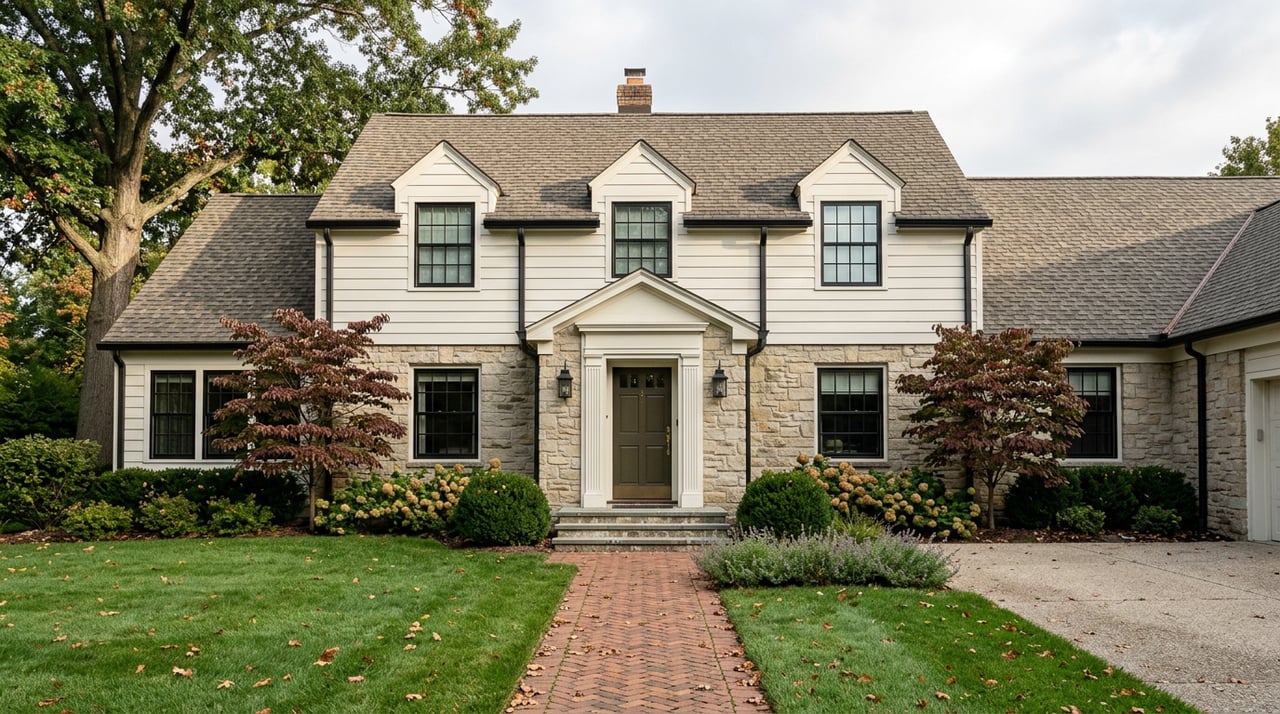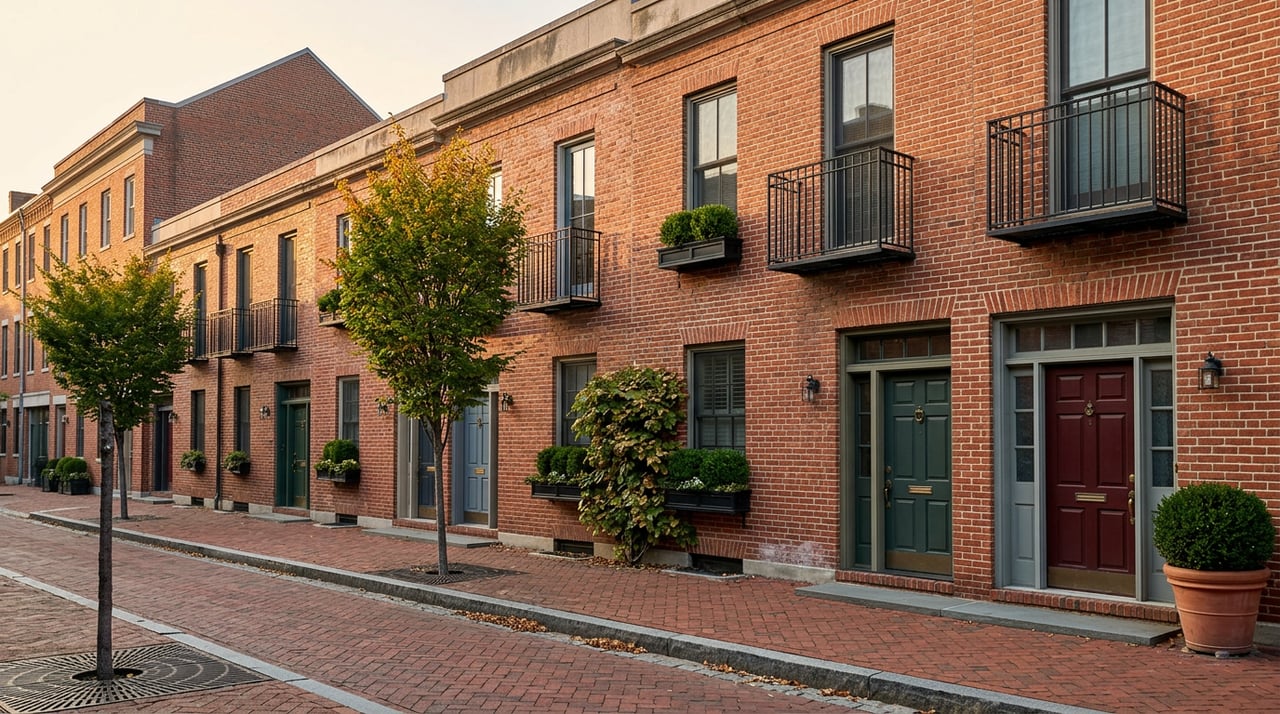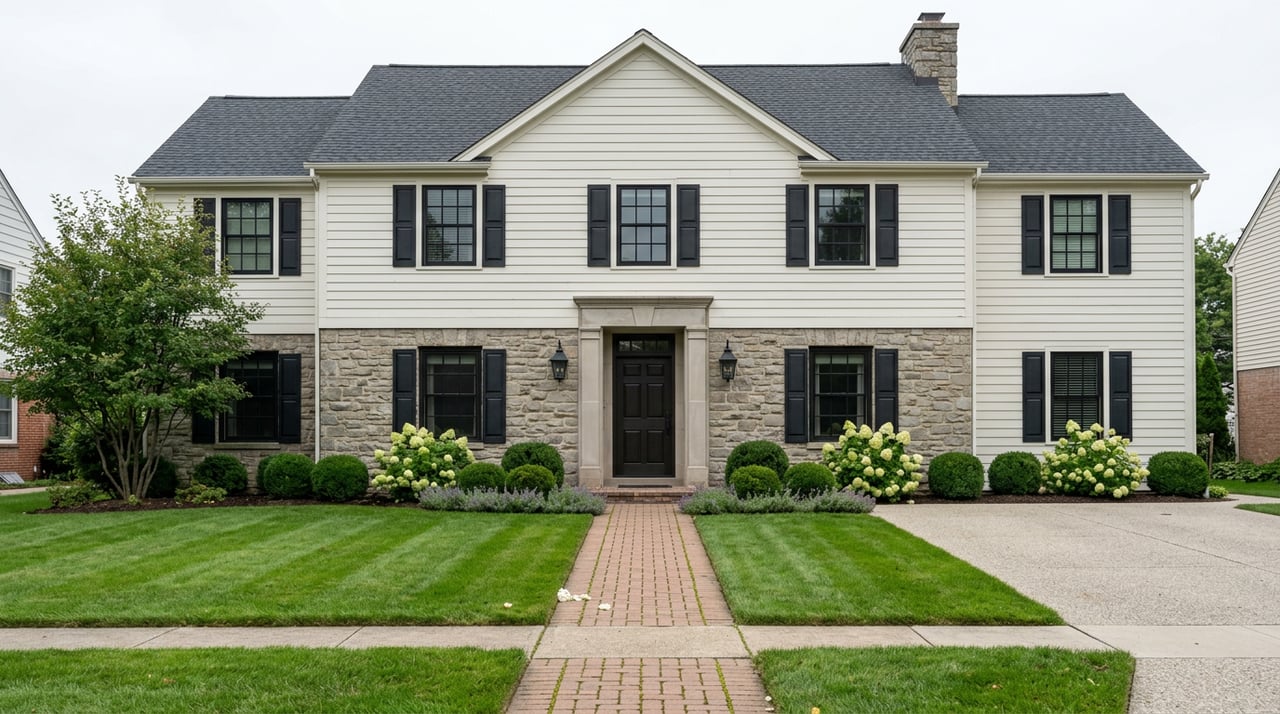
Pull up two Jersey City condo listings this month, same price, same square footage, maybe even the same view of the skyline. One sits in a Paulus Hook tower. The other is a two-family conversion in The Heights. Both show a monthly tax figure in the listing sheet. Only one of those numbers is what the owner will actually be paying five years from now.
That gap is not a rounding error. It is the single biggest thing a Jersey City buyer can misprice in 2026, and two things the city did this year, one in January and one in August, just made the gap wider and closer at the same time.
The Tax Line on the Listing Isn't a Forecast
Most Jersey City condo buildings built in the last two decades were financed with a Payment in Lieu of Taxes agreement, known as a PILOT. Instead of paying the standard municipal, county, and school tax rate, the building pays a fixed annual charge to the city. Under state law, 95 percent of that money goes to the municipality and 5 percent to the county. The Board of Education gets none of it directly, which is exactly why the school portion of the bill arrives all at once, in full, the moment the agreement expires. Buyers who only read the current PILOT payment on a listing sheet are reading half the number.
The other half is time. A five-year tax exemption, the shorter tool typically used for individual condo conversions, is a different instrument than a long-term PILOT, which can run ten to thirty years. Both eventually expire onto the conventional tax roll. What matters for a buyer is not whether the current payment looks low. It is how many years remain before that payment resets to the full rate, and what the full rate will actually be by then.
What Actually Changed in 2026
Two events this year moved both sides of that equation.
On January 21, 2026, Mayor James Solomon signed an executive order launching a comprehensive audit of every long-term tax exemption active in Jersey City, a stock the city itself counts at more than 100 agreements. The stated goal was compliance review and possible enforcement action, according to the law firm summary of the order. For a buyer, that means a building's abated status is no longer a fixed, settled fact for the life of the agreement. It is now a line item that could be reviewed, amended, or challenged before your mortgage even closes.
Then, on August 26, 2026, the City Council adopted an $886.4 million municipal budget carrying a 15.15 percent increase to the municipal tax rate, closing what the administration described as a $255 million inherited structural deficit. The council trimmed the rate slightly from an initially proposed 15.5 percent, but the direction did not change. For the average homeowner, that increase alone adds roughly $51 a month in city tax, according to reporting on the vote from Gothamist. County and school levies are each rising separately by roughly 14 percent on top of that, a combination confirmed by Hoboken Girl's coverage of the same budget vote.
That increase applies immediately to conventionally taxed homes. For abated units, it applies the moment the PILOT sunsets. Which means the cliff every abated condo eventually falls off just got taller, on the same day the audit made the timing of that fall less predictable.
Same List Price, Different Clock
Here is the comparison that actually matters, and it is not Downtown against The Heights.
| Abated unit, 7 years remaining | Conventionally taxed unit | |
|---|---|---|
| Current annual tax figure on listing | Fixed PILOT payment | Full assessed rate |
| What changes at closing | Nothing, payment is locked | Nothing, already full rate |
| What changes in year 8 | Jumps to full rate plus BOE portion for the first time | No change, already priced in |
| Typical size of that jump | Often near $800 a month | None |
| Effect of the 2026 rate hike | Applies the day the PILOT expires | Already applied this year |
The Heights largely sits outside this table entirely. It is built out with established two- and three-family housing on the conventional roll, with no PILOT to expire, which means its tax bill is already the number it will be next year and the year after. Downtown and Paulus Hook towers, where new construction concentrated over the last two decades, carry most of the city's abated inventory. A buyer comparing a $700,000 abated one-bedroom in a Paulus Hook tower against a $700,000 conventionally taxed unit elsewhere is not comparing two versions of the same product. One has a known cost. The other has a known cost with a deadline.
None of this makes an abated unit a bad purchase. It means the abated unit is a different financial instrument, one where the years remaining on the agreement is doing as much work as the sale price.
The Scale of What's Coming
This is not a handful of buildings quietly rolling off the books. An analysis by Better Blocks NJ tracked 32 long-term PILOT agreements set to expire over the next four years of the Solomon administration. Together those 32 agreements currently generate close to $41 million a year in PILOT payments, nearly half of the city's total long-term PILOT revenue. Once they roll onto the conventional roll, the same properties are projected to generate close to $75 million in standard property taxes, a jump of roughly $34 million in total tax revenue city-wide. That number belongs to the whole city's budget, not any one condo. But it tells you the expiration wave is not a rounding-error event. It is baked into the next four years of Jersey City's housing stock, and a meaningful share of today's active listings are inside it.
A buyer who prices the current PILOT payment as if it were the permanent number is not being cautious. They are pricing the wrong side of the ledger.
What to Actually Ask Before You Write an Offer
If the unit you're considering carries an abatement or exemption, there are a small number of questions worth putting in front of the seller or their attorney before you get deep into contract.
- What is the exact current PILOT or exemption payment, and how many years remain on the agreement?
- What would this unit owe at the fully taxed, conventional rate today, calculated by the assessor rather than a pre-2026 projection?
- Is this building's abatement currently flagged under the mayor's January 2026 audit, and if so, what is the status?
- Does the condo association or HOA carry any compliance exposure tied to the sponsor's original agreement, and does that liability filter down through common charges?
- How does your lender underwrite the payment, the current abated figure or the projected post-expiration number? The answer changes your qualifying debt-to-income ratio.
Sellers who put these answers in front of a buyer up front tend to hold their price through attorney review. Sellers who leave a buyer to discover the timeline later tend to give ground in the final week of negotiation, because by then the buyer's attorney has already pulled the recorded agreement and knows exactly what is coming.
The Comparison That Actually Holds Up
The honest way to shop Jersey City condos this year is not neighborhood against neighborhood. It is years-remaining against years-remaining. A unit with twelve years left on its PILOT and a unit with three years left are not comparable products even if they sit on the same block and carry the same list price. Price the one you're considering against sales at the same point in its own abatement clock, not against every sale the building has ever had.
Frequently Asked Questions
Is a five-year tax exemption the same thing as a PILOT? No. A five-year exemption is a shorter, by-right tool typically used for individual condo conversions and small renovations, and it phases in gradually. A long-term PILOT can run ten to thirty years and is a separate financial agreement between the developer and the city.
Does the mayor's audit mean abatements are being cancelled? Not automatically. The January 2026 executive order launched a compliance review of agreements already in place. Some could be enforced, amended, or challenged, but the audit itself is a review process, not a blanket cancellation.
Will my mortgage lender qualify me based on the current tax payment or the future one? It depends on the lender. Some underwrite the current abated figure. Others underwrite the projected post-expiration number, which changes your qualifying debt-to-income ratio. Ask before you assume your pre-approval number holds for a specific unit.
If you're weighing a Downtown tower against a Heights two-family, or trying to figure out what a specific building's abatement timeline actually means for your monthly number, that's exactly the kind of question worth running before you write an offer, not after. Amber Cruse Realty Group works these numbers with buyers across Jersey City every week. Reach out and request your white-glove consultation, and we'll walk the actual agreement with you before you're locked into someone else's clock.