Thinking about buying a historic home in Burlington? It can be an exciting move, but it also comes with a different set of rules, costs, and inspection items than a newer house. If you want charm without surprises, it helps to know what to look for before you make an offer. Let’s dive in.
Burlington’s Historic Home Landscape
Burlington City has a deep bench of historic housing, and that is part of its appeal. The city has three historic districts: the High Street Historic District, the Burlington City Historic District, and the Burlington City Municipal Historic District.
If a home is a contributing property in the two State and National Historic Districts, review can be stricter. That matters because exterior changes may face more oversight than you would see with a similar home outside a historic district.
The historic core includes about 900 buildings, most dating to the 19th century, with some surviving from the 18th century. In practical terms, that means you may be shopping homes with a long maintenance history, multiple generations of updates, and original details that still shape the home’s character.
You should also expect variety, not a single historic style. Burlington’s housing stock includes Georgian and Federal town houses, Italianate rowhouses and villas, Second Empire dwellings, Beaux Arts commercial buildings, and later Colonial Revival, Queen Anne, Italianate, Craftsman, and Second Empire examples across the city.
What Historic Charm Often Looks Like
Many buyers picture a fully untouched historic exterior, but that is not usually the reality. Burlington’s city survey says the last 50 years of changes have often included front porches, replacement windows, asphalt shingle roofs, and synthetic siding.
That means a historic home here may be a blend of original features and later improvements. You might find original masonry, trim, or window openings alongside newer materials that were added over time.
That mix is not automatically a problem. A key idea behind historic rehabilitation is to keep historic character and repair original features when feasible, rather than replace them right away.
Inspection Priorities for Older Homes
A standard home inspection is important, but historic homes often need extra attention in a few areas. Before you close, you want a clear picture of both condition and future maintenance needs.
Roof and Water Management
Older roofs do more than keep out rain. Their shape and features, such as chimneys, dormers, and other visible elements, can be part of the home’s historic character.
You should pay close attention to gutter and downspout maintenance, flashing, venting, moisture condensation, and signs of water penetration. When a roof leaks, the damage can spread quickly into masonry, wood, plaster, paint, and structural components.
Masonry and Settlement
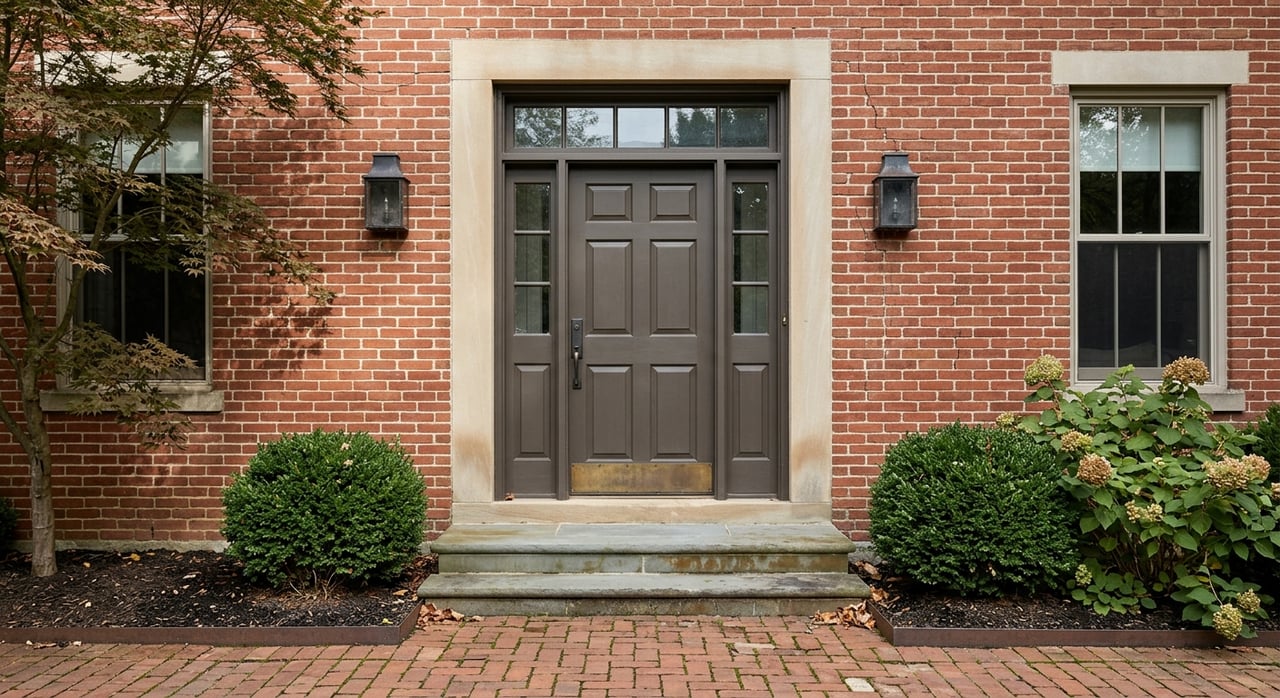
If the home has brick or stone, inspect it carefully. Watch for cracking, spalling, bowing, leaning, loose bricks, damp walls, and worn mortar joints.
These issues can point to moisture problems, freeze-thaw damage, or foundation settlement. If repointing is needed, the repair should match the historic mortar’s strength, composition, color, texture, and joint profile as closely as possible.
Windows and Doors
Historic windows are often a major point of concern for buyers. Many people assume replacement is the only smart option, especially if energy efficiency is top of mind.
In many cases, historic windows can be repaired or upgraded with storm windows, weatherstripping, and glazing repairs. Replacement may still be needed sometimes, but when it is, the new window should closely match the original design, color, texture, and, where possible, materials.
Lead Paint Risks
If you are buying a home built before 1978, you should assume lead-based paint could be present unless testing shows otherwise. Buyers of most pre-1978 homes have the right to know whether lead hazards are known before signing a contract, and sellers must disclose known information before closing.
This matters even more if you plan to renovate soon after purchase. Deteriorating paint and friction surfaces like doors and window sills can create dust hazards, so lead-safe work practices are an important part of planning.
Historic District Review in Burlington
One of the biggest differences between buying a historic home and buying a standard resale home in Burlington is local review. The city requires a Certificate of Appropriateness for exterior changes that affect a historic district or historic site, even if the project does not otherwise need a building permit.
That can apply to projects buyers often think of as simple, such as replacing windows, updating materials, or changing exterior colors and features. The city requires photos, product brochures or cut sheets, material samples, and a color chart, and applications must be submitted at least two weeks before the meeting.
Unauthorized exterior work is considered a violation. There is a narrow exception for emergency repairs needed to preserve habitability or safety.
The city also offers technical assistance by appointment, which can be helpful if you are planning updates. For you as a buyer, the takeaway is simple: exterior work may take more time, more documentation, and more planning than it would in a non-historic area.
Flood Risk Should Be Part of Your Budget
Burlington’s historic setting comes with another major factor: flood risk. The city says most of Burlington is within the 100-year flood plain, and its historic district sits on a level flood plain.
That does not mean every property carries the same flood exposure, but it does mean you should review flood conditions early. The city advises checking FEMA maps for the specific address, and it notes that flood insurance is separate from standard property insurance.
For buyers, this is not a detail to save for the last minute. Flood insurance cost, elevation concerns, and future mitigation work can affect your monthly budget and your comfort level with a property.
Tax Credit Expectations
Some buyers assume a historic home comes with major tax incentives. In Burlington, that assumption can lead to disappointment if you plan to live in the home yourself.
The federal 20% rehabilitation credit applies to certified historic structures that are depreciable and income-producing. Owner-occupied residential homes do not qualify, so most buyers purchasing a historic Burlington house as a primary residence should not count on that credit in their purchase math.
Questions to Ask Before Closing
Before you move forward on a historic home in Burlington, it helps to ask a few direct questions. These can save you time, money, and stress later.
- Is the property inside one of Burlington’s historic districts?
- Is it likely to be treated as a contributing property?
- Have the roof, windows, siding, porch, or masonry been altered recently?
- Were those exterior changes properly approved?
- Is the home in a flood-prone area, and what may flood insurance cost?
- Does the house likely contain lead-based paint?
- If you plan renovations, will the work require lead-safe practices or historic review?
- Are your repair and update plans realistic for the home’s condition and local approval process?
Why Preparation Matters
Buying a historic home in Burlington can be deeply rewarding. You may get architecture, craftsmanship, and street presence that are hard to find in newer housing.
At the same time, the smartest buyers go in with clear expectations. When you understand district rules, inspection priorities, flood exposure, and likely maintenance needs, you can make a more confident decision and protect your budget from avoidable surprises.
If you are weighing historic homes in Burlington and want thoughtful guidance through the details, Amber Cruse can help you navigate the process with clear communication, local insight, and a white-glove approach.
FAQs
What should you expect when buying a historic home in Burlington?
- You should expect a mix of original features and later updates, plus added attention to inspections, exterior review rules, flood risk, and maintenance planning.
Which historic districts affect homebuyers in Burlington?
- Burlington City has the High Street Historic District, the Burlington City Historic District, and the Burlington City Municipal Historic District.
Do exterior renovations on historic homes in Burlington need approval?
- Yes. Burlington requires a Certificate of Appropriateness for exterior changes that affect a historic district or historic site, even when a building permit is not otherwise required.
Why is flood risk important for historic homes in Burlington?
- The city says most of Burlington is within the 100-year flood plain, and flood insurance is separate from standard property insurance.
Can historic windows in a Burlington home be repaired instead of replaced?
- Yes. Historic windows can often be repaired or upgraded with storm windows, weatherstripping, and glazing repairs.
Do owner-occupied historic homes in Burlington qualify for the federal rehabilitation tax credit?
- No. The federal 20% rehabilitation credit applies to certified historic structures that are income-producing and depreciable, not owner-occupied residential homes.