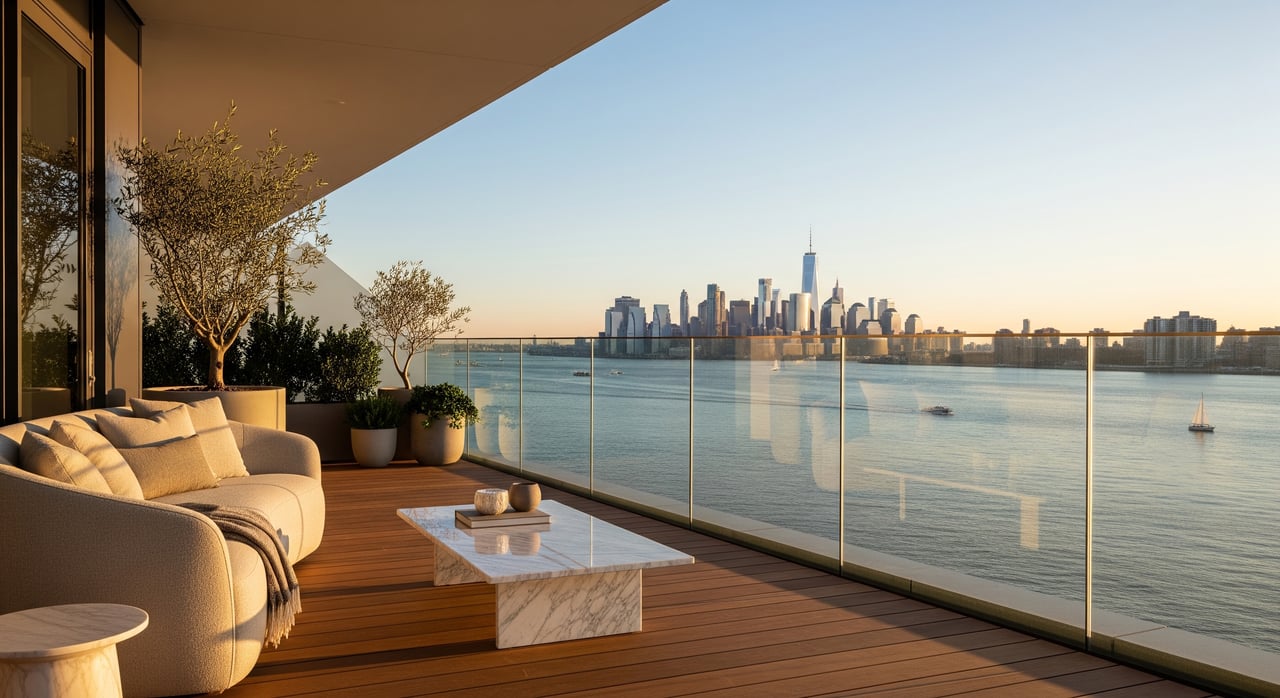
Imagine waking up to the Manhattan skyline glowing across the Hudson, grabbing coffee downstairs, and deciding whether your morning is a jog along the promenade or a 10 to 15 minute ride to the World Trade Center. If you want New York access with more breathing room, Jersey City’s waterfront gives you space, views, and a calmer pace. You also want the real story, from commutes and parks to building amenities, costs, and flood resilience. Here is what day-to-day life actually feels like, with practical tips to help you choose the right building and block. Let’s dive in.
The waterfront at a glance
Jersey City’s waterfront stretches from Paulus Hook and Exchange Place through Harborside, Newport, Liberty Harbor, and the Powerhouse Arts District, with Liberty State Park anchoring the southern end. You will see a mix of sleek towers, a few historic pockets a short walk inland, and artsy conversions near Powerhouse. The vibe blends professionals, families, and long-time locals. It feels newer and more amenity-focused than many inland blocks, with skyline views as an everyday backdrop.
You have long, open promenades for quiet walks and lively commuter nodes near PATH and ferry terminals. That contrast is part of the appeal. One block can feel serene, the next is a hub for transit and dining.
Your daily routine
Parks, paths, and fresh air
The Hudson River Waterfront Walkway runs along much of the shoreline, so regular walks, runs, and bike rides are easy. Liberty State Park is your big weekend green escape, with broad lawns, water views, and historic sites. You can learn more about park amenities on the New Jersey Division of Parks and Forestry’s page for Liberty State Park. For everyday loops, the Hudson River Waterfront Walkway is the go-to.
On warm days, you will see strollers, joggers, and cyclists moving past marinas and café patios. Plazas around Exchange Place and pocket parks like Newport Green give you quick options for a short stretch or dog walk.
Dining and nightlife
You can choose from skyline-view restaurants, casual cafés, delis, and wine bars concentrated around Paulus Hook, Exchange Place, and Newport. Nightlife is generally more about dinner and conversation than late-night bar crawls. It is quieter than Hoboken most evenings, but busy enough that you will always find a good table for a last-minute plan.
Groceries and services
Larger supermarkets cluster in Newport and nearby corridors. Along the waterfront and the downtown blocks just inland, you will find smaller markets and specialty shops. Many residential towers have on-site gyms and package rooms, and the downtown area includes clinics, dentists, and urgent care options.
A day in the life
- Morning: jog on the promenade or hop on PATH for Lower Manhattan. Grab coffee at a neighborhood café on your way back.
- Midday: lunch outdoors with views or a quick ferry across the river for a meeting.
- Evening: walk to Liberty State Park, meet friends for dinner along the water, or catch a community event or farmer’s market nearby.
Commute and transit
PATH to Lower Manhattan and Midtown
PATH is the backbone for many residents. Exchange Place and Newport stations connect you quickly to the World Trade Center, and via other routes, to 33rd Street in Midtown. Door-to-door to Lower Manhattan can be well under 15 minutes depending on where you live and your walk time. For planning and current frequency, check the Port Authority’s PATH timetables and maps.
Ferries for comfort and views
If you value a calmer ride and fresh air, ferries from Paulus Hook and other terminals connect to multiple Manhattan piers. Door-to-door times are often 10 to 20 minutes to Lower Manhattan, with Midtown trips typically longer. See current routes and times on NY Waterway’s schedules.
Light rail and buses
The Hudson-Bergen Light Rail helps with intra-county travel and connects to other transfer hubs, while NJ Transit buses fill in for local trips. If you expect frequent commutes within Hudson County, the light rail keeps errands and social plans simple.
Driving and parking
The Holland Tunnel is your main car route into Manhattan, but travel times vary and peak traffic can run long. Street parking is limited across much of the waterfront. Many buildings offer paid garage parking, which is worth factoring into your monthly costs.
Homes, amenities, and costs
What you will find
Most waterfront buildings are newer high-rise condos and rentals with doormen, fitness centers, pools, lounges, and package management. Many towers integrate ground-floor retail that puts coffee, groceries, and services steps from the elevator. You will find some historic brownstones and townhomes a few blocks inland, but they are less common right on the water.
Price and value tradeoffs
Units with direct skyline or Statue of Liberty views often command a premium. Many buyers feel they get more square footage and newer amenities in Jersey City than in Manhattan at the same budget. Prices vary by building, line, and year, so lean on current market data when you are ready to compare specific options.
Monthly costs to plan for
- Property taxes: New Jersey’s property taxes are among the highest in the country, which affects the total cost of ownership compared with New York City. Be sure to model the full monthly payment, not just principal and interest.
- HOA or maintenance fees: doorman staffing, pools, and shared spaces add comfort, and they also add to monthly fees. Compare what is included building to building.
- Insurance and flood: some buildings or units require separate flood policies. Premiums vary by building elevation and mitigation features. See the FEMA Flood Map Service Center for address-specific data below.
Flood risk and resilience
Parts of the Hudson River waterfront sit within coastal floodplains. Before you buy, review FEMA flood zones for any address you are considering using the Flood Map Service Center. Ask buildings about their mitigation strategy. Many newer developments elevate lobbies and critical equipment above base flood elevation, use flood-resistant materials, and have deployable barriers for storm events.
The city and state are working on long-term shoreline planning and flood resilience. You can explore local strategy and project updates on the City of Jersey City’s resiliency page. Understanding a property’s elevation, the building’s protections, and insurance requirements will help you make a confident decision.
Families, safety, and walkability
Walkability is a major advantage. Most daily needs, restaurants, parks, and transit are a short walk away. For families, you will find playgrounds, waterfront green spaces, and seasonal programs. The area includes public, charter, and private school options. Because programming varies, many parents review zoned options and consider magnet or private alternatives to match their child’s needs.
As in any city, safety varies by block and time of day. Waterfront areas are well-trafficked and well-lit, and many buildings provide 24-hour staffing and secure package rooms. It is smart to review recent local data and talk with neighbors and building staff.
How it compares nearby
- Hoboken: smaller-block walkability and a dense dining scene give it a lively feel. Commutes are short, but many Jersey City towers offer larger units and newer amenity packages.
- Brooklyn waterfronts: DUMBO, Brooklyn Heights, and Williamsburg differ in style and price. Ferries help from both sides of the river. Many buyers find Jersey City offers similar views at a lower cost per square foot, with different tax and insurance tradeoffs.
- Manhattan waterfront: Battery Park City and the Financial District offer top-tier access and pricing. Jersey City’s case is Manhattan access plus space, amenities, and skyline views that fit more budgets.
Is the waterfront right for you? A quick check
- You want short, predictable trips to Lower Manhattan and flexible options to Midtown.
- You value parks, fresh air, and long promenades as part of daily life.
- You prefer newer buildings with doormen, fitness centers, and robust package rooms.
- You are comfortable balancing HOA fees, property taxes, and insurance for convenience and amenities.
- You will verify flood zones, building mitigations, and insurance needs before you buy.
When you are ready to compare buildings, walk the blocks, and model true monthly costs, you deserve a trusted guide. If you want white-glove attention and clear, data-backed advice, connect with Amber Cruse to plan your move with confidence.
FAQs
How long is the commute from the Jersey City waterfront to Lower Manhattan?
- Many residents reach the World Trade Center in well under 15 minutes via PATH, while ferries from Paulus Hook can be about 10 to 20 minutes door to door depending on your exact location and schedule.
What should I know about flood risk on the Jersey City waterfront?
- Parts of the shoreline are in FEMA-identified flood zones. Review the FEMA Flood Map for your address, ask about building mitigations like elevated lobbies and protected utilities, and factor any flood insurance into your budget.
Which parks and outdoor spaces define Jersey City waterfront living?
- Liberty State Park offers large green space and water views, while the Hudson River Waterfront Walkway provides a continuous path for running, biking, and daily strolls along much of the shoreline.
Are there good school options near the Jersey City waterfront?
- The area is served by Jersey City Public Schools, with families also exploring magnet, charter, and private options. Programs vary, so review official resources and visit schools that fit your student’s needs.
How reliable are PATH and ferries for commuting from the waterfront?
- PATH and ferries run frequently, with typical rush-hour crowding and occasional service changes. Many commuters keep both options in mind so they can switch based on the day’s schedules.